The Complete Guide to Cat Food: Nutrition, Trends, and Expert Tips
Choosing the right cat food is one of the most significant decisions a pet owner in the United States can make. With the pet food industry worth billions, the options available can be dizzying.
A cat’s diet directly impacts their energy levels, coat quality, and long-term health. Understanding what goes into their bowl is the first step toward a happy, purring companion.
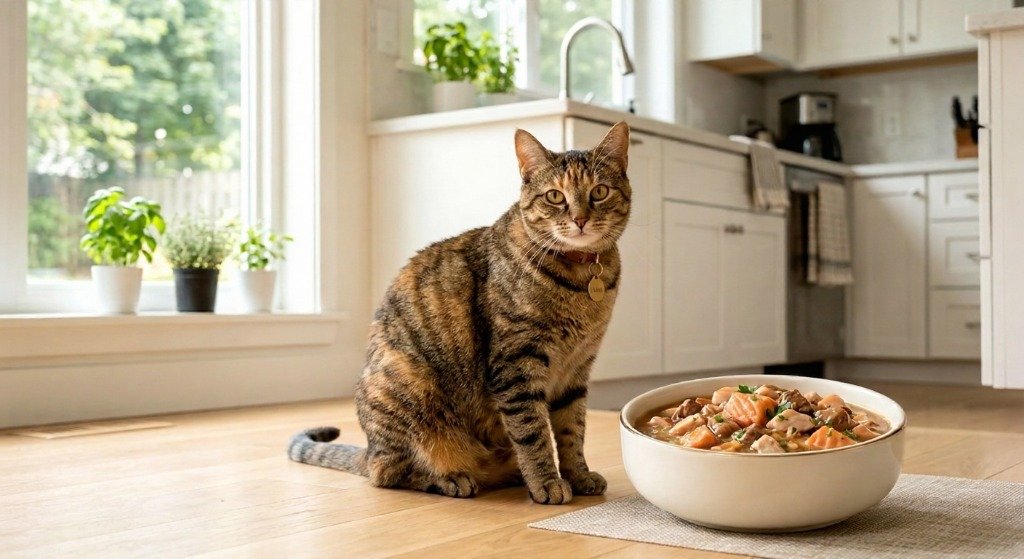
In this guide, we will dive deep into the science of feline nutrition. We will explore how to identify high-quality ingredients and how to tailor a diet to your cat’s specific life stage.
1. The Biological Blueprint: Why Cats Are Unique
To understand cat food, you must first understand feline biology. Cats are obligate carnivores, meaning they are biologically required to eat meat to survive.
Their bodies are not designed to process plant-based proteins efficiently. They lack the specific enzymes needed to break down complex carbohydrates found in many cheap fillers.
Animal protein provides the essential building blocks for their muscles and tissues. It also provides Taurine, an amino acid that cats cannot produce on their own.
Taurine deficiency is a serious matter. Without it, cats can suffer from dilated cardiomyopathy (a heart condition) or retinal degeneration, leading to blindness.
Fat is the next crucial component. It provides a concentrated source of energy and aids in the absorption of fat-soluble vitamins like A and D.
2. Deciphering the Wet vs. Dry Food Dilemma
The debate between wet and dry cat food is ongoing in the American pet community. Each format serves a different purpose for your pet’s lifestyle.
The Case for Wet Food
Wet food is often considered the gold standard by many veterinarians. This is primarily due to its high moisture content, which usually sits at around 80%.
Domestic cats are descendants of desert-dwelling ancestors. They have a naturally low thirst drive and expect to get hydration from their meals.
Feeding wet food helps prevent common feline issues like urinary crystals and chronic kidney disease. It is also generally higher in protein and lower in starch.
The Case for Dry Food
Dry food, or kibble, is undeniably convenient for the modern pet owner. It is easy to store, cost-effective, and allows for free-feeding.
Some high-quality kibbles are formulated to scrape plaque off teeth as the cat chews. This can offer a slight benefit for dental hygiene.
However, dry food is often calorie-dense. If you choose an all-kibble diet, you must be very careful with portion control to avoid feline obesity.
3. How to Read US Cat Food Labels
In the United States, cat food labels can be tricky. They are governed by AAFCO, but marketing often disguises the true quality of the product.
The ingredient list is your most honest resource. Always look at the first three to five ingredients, as these make up the bulk of the food.
A named meat source should always be first. Look for “Chicken” or “Salmon” instead of “Meat Meal.” Specificity is a sign of quality.
Avoid “By-product meals” when possible. While some by-products are nutritious, they are often less digestible than whole meat or heart and liver tissues.
Check the “Guaranteed Analysis” section on the back of the bag. This tells you the minimum percentages of protein and fat and the maximum percentages of fiber and moisture.
4. Avoiding “Empty” Ingredients and Fillers
Many commercial cat foods use fillers to keep production costs low. These ingredients add bulk but offer very little nutritional value to an obligate carnivore.
Corn, wheat, and soy are common culprits. While a small amount of grain is acceptable for some cats, these should never be the primary source of calories.
Watch out for artificial preservatives. Ingredients like BHA, BHT, and Ethoxyquin are often used to extend shelf life but have been linked to health concerns.
Instead, look for natural preservatives like mixed tocopherols (Vitamin E). These are safer for long-term consumption and maintain the freshness of fats.
Sugars and artificial colors are also unnecessary. Cats do not have “sweet” taste buds, and colors are only added to make the food look more appealing to humans.
5. Tailoring Nutrition to Life Stages
A kitten’s nutritional needs are vastly different from those of an aging senior cat. Feeding the wrong formula can lead to developmental issues or weight gain.
Kittens (The Growth Phase)
Kittens need a lot of fuel. Their food should be calorie-dense and rich in DHA, an omega-3 fatty acid crucial for brain and eye development.
Because their stomachs are small, they need nutrient-dense meals multiple times a day. Kitten-specific formulas are essential until they reach one year of age.
Adult Cats (Maintenance)
Once a cat reaches adulthood, the goal shifts to maintaining a healthy weight. Most adult cats in the US are indoor pets with lower activity levels.
Overfeeding is a major concern at this stage. You should focus on high-quality protein that keeps them satiated without adding excess fat.
Senior Cats (The Golden Years)
As cats age, their metabolism slows down, and their organs, especially kidneys, may become more sensitive.
Senior-specific foods often contain lower levels of phosphorus and added joint support like Glucosamine and Chondroitin.
6. Emerging Trends: Grain-Free and Raw Diets
The US market has seen a massive shift toward “natural” and “ancestral” diets. Understanding these trends is key to making an informed choice.
Grain-free cat food is a top seller. It is ideal for cats with sensitivities, but be wary of “carb-loading” where grains are replaced with high amounts of peas or potatoes.
Raw feeding is another growing movement. Proponents argue it provides the most natural nutrition possible, leading to better skin and digestion.
However, raw feeding requires extreme caution. The risk of pathogens like Salmonella or Listeria is real, and the diet must be professionally balanced to avoid deficiencies.
Always talk to a feline nutritionist or your vet before making a radical shift to a raw or home-cooked diet.
7. Practical Tips for Mealtime Success
Even the best cat food won’t help if your cat refuses to eat it or eats it too quickly. Proper feeding habits are as important as the food itself.
Use wide, shallow bowls. Some cats experience “whisker fatigue” when their sensitive whiskers touch the sides of a deep, narrow bowl.
Keep the water bowl away from the food bowl. In the wild, cats avoid water near their kill to prevent contamination, and many domestic cats still have this instinct.
If you are switching brands, do it slowly over 7 to 10 days. A sudden change can cause diarrhea and may cause your cat to develop a permanent “food aversion.”
Monitor their weight monthly. You should be able to feel your cat’s ribs easily but not see them. If the waistline disappears, it’s time to cut back on portions.
Conclusion: The Path to a Healthier Cat
Investing in premium cat food is a long-term investment in your pet’s life. While high-quality brands may cost more upfront, they often lead to fewer vet visits and a more energetic pet.
Focus on meat-first ingredients, prioritize hydration through wet food, and always choose a formula suited to your cat’s age. Your cat depends on you for their health—make every bite count.
By staying informed and reading labels carefully, you can navigate the complex world of pet nutrition with confidence. A healthy diet is the foundation of the bond you share with your feline friend.